

How to Land a Data Analytics Job in Dubai Real Estate in 2026
Overview
Introduction
Dubai’s real estate market moves fast. Prices shift. New projects launch every month. Buyer demand changes with global trends. Keeping up with all of this takes more than gut instinct.

That is where data analytics comes in.
Real estate in Dubai produces massive amounts of data every single day. Sales transactions, rental prices, occupancy rates, off-plan launches, and investor activity all generate numbers that tell a story. The problem is most people cannot read that story without help.
This is why the demand for a data analytics job in Dubai real estate keeps growing. Companies need people who can turn raw numbers into clear answers.
Right now, there are already dozens of data analyst roles open across Dubai’s property sector. You can find real estate companies actively hiring for roles that mix market research, financial modeling, and dashboard building. Many of these jobs offer strong salaries and real career growth. For example, many open roles require a mix of technical skills like SQL and Power BI along with real estate market knowledge, as shown in current job listings on LinkedIn and other platforms.

So what does a data analytics job in Dubai real estate actually look like day to day?
Analysts in this field pull data from property portals, track price changes across different communities, monitor supply and demand shifts, and build reports that help investors and brokers make smarter choices. Some roles focus on off-plan markets. Others track rental trends or help companies decide when to buy and sell.
The skills needed go beyond just knowing Excel. Employers look for people who understand real estate cycles and can use tools like Python, SQL, and Power BI to find patterns in the data. A strong data analytics master’s degree or focused certification can open doors here.
Even entry level roles ask for solid analytical thinking and the ability to communicate insights clearly. The best analysts do not just crunch numbers. They tell a story that helps someone decide whether to buy a villa in Dubai Hills or wait for a better deal.
If you are thinking about breaking into this field, the timing could not be better. Dubai continues to attract global investors, and the market only gets more data rich every year. Learning to work with that data puts you ahead of most people in the industry.
One smart starting point is to explore targeted training. You can start learning with a structured path through courses that teach you how to understand Dubai property data and turn it into actionable insights.
This article covers everything you need to know about landing a data analytics job in Dubai real estate. We will walk through the key skills employers want, the interview questions on data analytics you should prepare for, how mastering data analytics can boost your career, and the exact steps to get hired in 2026.
Let us dive in.
Ready to take action on your Dubai property journey? Get a FREE Dubai Real Estate Consultation with Ayaz Salman to discuss buying, selling, or investing with real data behind your decisions.
The Growing Demand for Data Analytics Jobs in Dubai Real Estate
Dubai does not just build skyscrapers. It builds data.
The city’s Vision 2030 plan and its push to become a smart city mean every new tower, community, and rental market generates mountains of information. This data helps developers decide where to build, investors choose when to buy, and brokers price properties correctly. All of that work falls on the shoulders of data analysts.
Right now, companies across Dubai are racing to build internal analytics teams. Major developers, property consultancies, and proptech firms all need people who can translate real estate numbers into clear decisions. Just look at current job boards. There are dozens of open roles ranging from property market analyst to data analyst specializing in Power BI. One job listing for a Property Market Analyst in Dubai asks for strong financial modeling skills and a background in real estate investment, offering a full-time position with competitive pay.
Salaries for these roles reflect the high demand. Analysts who understand Dubai property cycles earn a premium over general data analysts. Employers value candidates who know the local market alongside technical skills like SQL, Python, and dashboard tools.
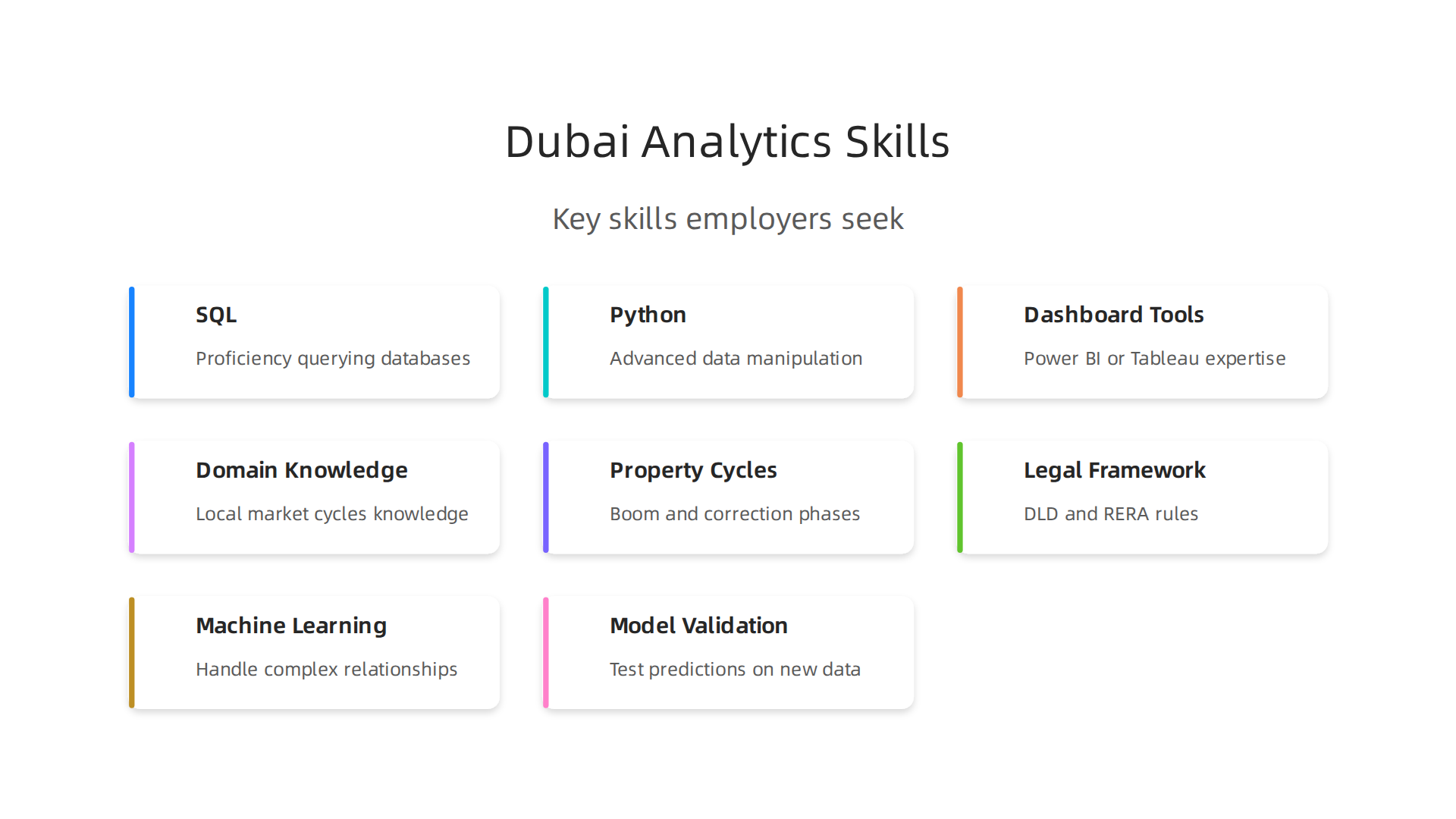
This combination is rare, so companies pay well to get it.
Even entry-level roles expect real estate domain knowledge. That is why more people are pursuing a data analytics master’s degree or specialized training focused on Dubai property data. The payoff is real. Professionals who invest in mastering data analytics for real estate open doors to stable, well-paid careers.
If you want to see where this demand leads, explore our guide on how to secure high-paying data analytics jobs in Dubai real estate. It shows the exact roles, salary ranges, and steps employers look for in 2026.
The takeaway is simple. Dubai’s real estate market runs on data, and the people who can work with that data have never been more needed.
Core Technical Skills: SQL, Python, and Data Visualization
So what does it take to stand out for a data analytics job in Dubai real estate? You need three core technical skills that employers here ask for again and again.
First, SQL. This is the bedrock. Every property transaction in Dubai lives in a relational database. SQL lets you pull that data, filter it, join tables, and answer questions like "Which communities had the highest sales volume last quarter?" Without SQL, you cannot work with real estate data at scale. As the guide on how to become a data analyst in UAE explains, SQL proficiency is the single most critical technical skill for analysts in the region.
Second, Python. Dubai real estate is not just about looking backward. It is about predicting where prices are heading. Python libraries like pandas and numpy let you clean and manipulate messy datasets. Scikit-learn helps you build models to forecast rental yields or spot underpriced properties. Many job postings for analyst roles in Dubai explicitly list Python as a requirement. Mastering data analytics with Python gives you a big edge over candidates who only know Excel.
Third, visualization tools like Power BI or Tableau. You might find the right answer in the data, but if you cannot show it clearly to a developer or investor, it does not matter. Power BI is especially popular in Dubai because it connects easily with other Microsoft tools used by most companies.
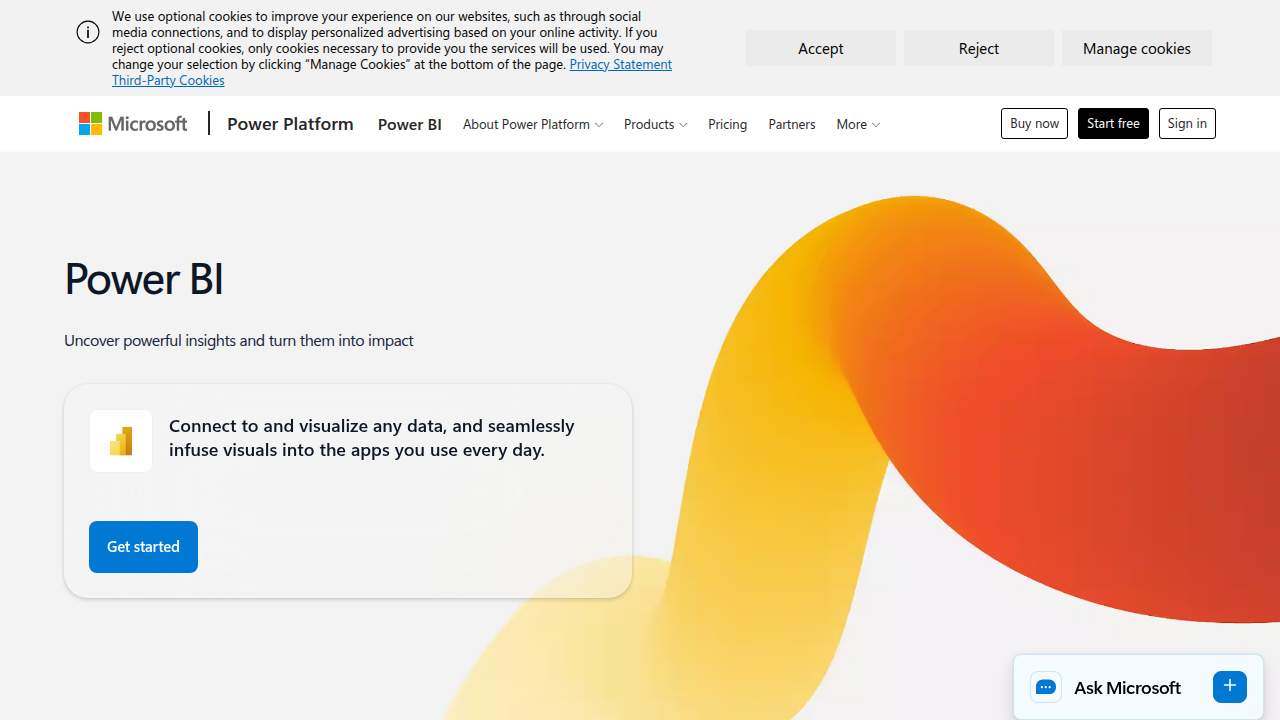
Strong Power BI skills – including DAX, data modelling, and dashboard design – appear in job descriptions for almost every real estate analyst role. You need to turn numbers into stories that non-technical people can act on.
These three skills work together. SQL gets the data, Python analyzes it, and Power BI or Tableau presents it. If you are aiming for a data analytics job in Dubai real estate, this is your toolkit. You will likely face interview questions on data analytics that test your ability to write SQL queries, clean a dataset with Python, and build a dashboard.
Want a complete roadmap of what roles and salaries these skills unlock? Check out our guide on data analytics jobs in Dubai real estate 2026.
And once you have built these skills and start analyzing real Dubai property data, you may want expert help turning those insights into actual buying or investing decisions. In that case, you can connect with Ayaz Salman for a FREE Dubai Real Estate Consultation.
Essential Domain Knowledge: Dubai Property Market Fundamentals
Having the right technical toolkit is only half the picture. No matter how well you write SQL queries or build Python models, your insights are useless if you do not understand how Dubai’s property market actually works. Employers hiring for a data analytics job in this sector expect you to know the local rules, cycles, and indicators.
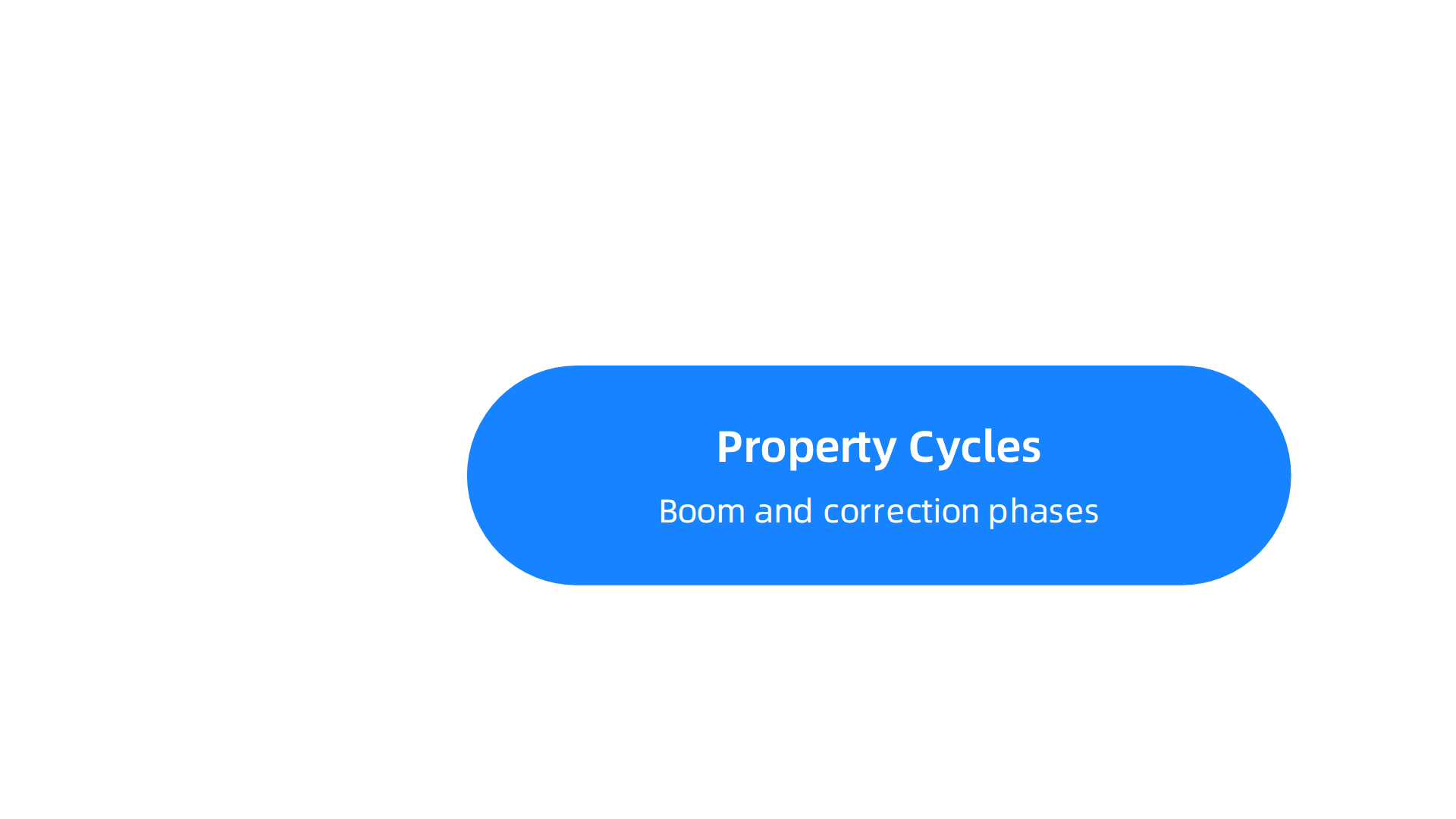
Dubai’s real estate market has its own rhythm. Properties go through boom and correction phases, often tied to global investor sentiment and local policy changes. A strong analyst can spot when a cycle is shifting by watching metrics like price per square foot, rental yields, and monthly transaction volumes. These numbers tell a story about supply and demand that raw data alone cannot.
You also need to understand the legal framework. Property ownership in Dubai is divided into freehold zones where foreigners can buy, and other areas where ownership is restricted. This is governed by rules from the Dubai Land Department and RERA. Detailed regulations cover everything from off-plan sales to rental contracts. According to a comprehensive overview of Dubai real estate laws, the DLD and RERA work together to ensure transparency and protect investors.
Recent changes in 2026 have made the market even more dynamic. The government removed the minimum property value requirement for the two-year investor visa for sole owners, opening the door for more buyers. New laws also regulate shared housing to improve safety and living standards. As a KPMG alert on UAE investor visa rules explains, these reforms directly affect demand and pricing patterns.
Mastering these market fundamentals is what separates a good analyst from a great one. When you walk into an interview for a data analytics job, you might face interview questions on data analytics that test your knowledge of local regulations just as much as your technical skills. That is why professionals serious about this field often pursue a data analytics master’s degree with a focus on real estate, or commit to mastering data analytics within the Dubai property context.
Want to go deeper on how to use this knowledge for smarter investments? Read our guide on predicting Dubai real estate trends with a data analytics certification.
Advanced Analytical Techniques: Predictive Modeling and Valuation
Knowing market fundamentals gets you in the door. But what really sets you apart in a data analytics job interview is your ability to build models that actually predict what happens next. In Dubai’s real estate market, advanced analytical techniques turn raw numbers into actionable foresight.
Regression models are your starting point. Simple linear regression helps you understand how one factor like interest rates affects property prices in a specific Dubai submarket. Multiple regression lets you layer in variables such as square footage, location, and proximity to metro stations. Time series forecasting takes this further by analyzing historical price patterns to project future trends. These techniques help you answer questions like "Will prices in Dubai Marina rise or fall next quarter?"
Machine learning takes prediction to another level. Algorithms like random forests and gradient boosting can handle complex relationships that traditional models miss. For example, a random forest model might analyze hundreds of property features simultaneously to produce more accurate valuations than a simple price-per-square-foot calculation. These methods are especially powerful in Dubai’s fragmented market where each community has its own dynamics. According to an overview of in-demand data analyst skills, machine learning has become a core requirement for serious analytics roles in 2026.
But building a model is only half the work. The best analysts know how to validate their models properly. You must test your predictions against data the model has never seen. This is called out-of-sample testing. Without it, you risk overfitting meaning your model memorizes historical noise instead of learning real patterns. A model that works perfectly on past data but fails on new data is useless in practice.
These techniques separate candidates who just know theory from those ready to deliver real value. For a deeper look at what employers actually want, explore our breakdown of data analytics jobs in Dubai real estate.
If you want to apply these advanced techniques to your own property decisions, why not talk to someone who uses them every day? Connect with Ayaz Salman for a FREE Dubai Real Estate Consultation and see how predictive modeling can guide your next move.
Data Sourcing and Management: Navigating Dubai’s Real Estate Data Landscape
All those advanced models you just learned about are useless without good data. In Dubai, the data landscape is rich but scattered. Knowing where to find reliable information and how to manage it legally is just as important as knowing how to build a regression model for your data analytics job.
Your main source of truth is the Dubai Land Department (DLD). The DLD records every property transaction in the city. It tracks sale prices, rental contracts, and ownership changes. This data is your foundation. Without it, you cannot build accurate forecasts or valuations. You can find current rules and regulations on the DLD’s official site to understand how this data is governed.
REIDIN is another key source. It offers commercial datasets that go deeper than what the DLD publishes for free.
REIDIN includes rental yield data, supply pipeline information, and historical price indices. Many analysts combine DLD and REIDIN data to get a complete picture.
Here is the challenge. Dubai’s real estate data comes from many places. You might pull transaction records from the DLD. Rental data from Ejari certificates. Utility usage from DEWA bills. And zoning rules from Dubai Municipality. Each source uses different formats and standards. Part of mastering data analytics means learning to clean and merge these datasets. This work is tedious, but it separates good analysis from bad.
You also need to follow the law. The UAE has a Personal Data Protection Law (PDPL) that governs how you handle personal information. Real estate data often includes names, contact details, and financial information. You need to store and process this data securely. Breaking these rules can lead to serious penalties. Check out the comprehensive overview of Dubai real estate laws and regulations to understand what is allowed.
If data sourcing feels overwhelming, you are not alone. Many analysts start by learning the basics through structured training. Our guide to securing high-paying data analytics jobs in Dubai real estate walks through the skills you need to build a career in this space.
Once you master data sourcing, you unlock the ability to make smarter property decisions. And if you want expert guidance on how to use this data for your own investments, talk to someone who works with it daily. Connect with Ayaz Salman for a FREE Dubai Real Estate Consultation and get personalized help navigating the market.
Soft Skills: Communication, Business Acumen, and Ethical Data Use
Technical skills will get your foot in the door for a data analytics job in Dubai real estate. But to really stand out, you need soft skills. The ability to communicate clearly, understand business goals, and use data ethically is what separates good analysts from great ones.
You will often present your findings to investors, developers, or property managers.

These stakeholders likely do not know SQL or Python. You must translate complex numbers into clear, actionable recommendations. Job postings in Dubai consistently highlight communication as a key requirement. For example, many employers stress the importance of strong communication and presentation skills, as shown in the latest list of Real Estate Data Analysts Jobs in Dubai (with Salaries). If you want to sharpen this skill, you can elevate your Dubai real estate decisions with a data analytics certification that includes presentation training.
Beyond communication, you need business acumen. Investors care about ROI, risk, and liquidity. If you frame your analysis in these terms, your insights become more valuable. A data analytics job in this market requires you to understand what drives profits and losses. You may even face interview questions on data analytics that test your understanding of business metrics. Mastering data analytics means knowing which numbers matter most to different stakeholders.
Finally, ethics matter a great deal. Real estate data often includes personal names, contact details, and financial information. You must handle it with care. Never create misleading visualizations or hide risks to make a property look better. The UAE’s data protection laws are strict, and violations can cost you your job. Many training programs now include legal and ethical considerations, such as the Data Analytics for Real Estate & Property Management Online Training course, which covers these topics directly.
Soft skills complete the picture. They turn a capable analyst into a trusted advisor. If you want to land and keep a data analytics job in Dubai real estate, invest just as much in these human skills as you do in technical ones.
Building Your Portfolio and Landing Your First Data Analytics Job
You have the skills. You know the software. But without proof of your work, landing a data analytics job in Dubai real estate stays hard. A strong portfolio fixes that.
Think of your portfolio as proof of what you can do. Instead of saying you can analyze property data, you show a project that predicts off-plan price trends using actual Dubai market numbers. That grabs a hiring manager’s attention fast. The best projects use real-world datasets and include a clear business question, documented data cleaning, analysis, and written recommendations. Following proven project blueprints helps you build a portfolio that actually gets you hired.
Start with one or two projects. Find public data from the Dubai Land Department or sites like Property Finder. Build a simple price prediction model for apartments in Dubai Marina or Downtown. Clean the data in Python or R, run your analysis in SQL, and show your results in a Power BI or Tableau dashboard. Real analysts already share work like this. One example is the UAE Real Estate Sales Analysis with Power BI shared publicly on LinkedIn.
Networking opens doors your resume cannot. Dubai has a growing community of real estate pros and data analysts.

Attend local meetups. Join online groups. Connect with people on LinkedIn. Many jobs never make it to public job boards. A recommendation from someone inside a company can get you an interview faster than any cold application. Employers are actively hiring data analysts for real estate and smart city projects in Dubai, and being part of those communities helps you hear about openings early.
Finally, customize every job application. A generic CV will not cut it. Show the employer that you understand Dubai’s property market specifically. Talk about the tools you used to analyze rental yields, neighborhood demand, or property cycles. If you are just starting out, look for entry level data analytics jobs in Dubai real estate that match where you are right now. A tailored approach paired with real project examples puts you ahead of most candidates.
The Future of Real Estate Analytics in Dubai: AI and Proptech Trends
Here is the thing about Dubai real estate right now. The tools are changing fast. AI powered systems can automatically value a property in seconds. Sentiment analysis tools scan social media posts and news articles to track how people feel about specific communities like Dubai Marina or Jumeirah Village Circle. These technologies are not future concepts. Companies in Dubai are using them right now. Knowing how they work gives you a big advantage when you apply for a data analytics job.
Proptech startups in Dubai are also shaking up the industry. New platforms offer data sources and analytical tools that did not exist a few years ago. One discussion in the local professional community points out that analysts now need to learn how to leverage AI for faster insights. The demand for analysts who understand data compliance and governance is also growing because AI systems need high quality, clean data to function properly.
To stay relevant long term, focus on upskilling in AI and big data technologies. Learn how machine learning models predict off plan price movements. Get comfortable with cloud platforms that handle millions of property records. Structured training helps you build these skills faster and more reliably. A course in data analytics for real estate covers market analysis, predictive analytics, and tenant behavior analysis. Investing in your education now pays off as the industry continues to evolve.
You can also explore how big data analytics in Dubai real estate reshapes investment strategies. Understanding these broader trends helps you become a more strategic analyst who stands out to hiring managers and secures long term career growth.
The bottom line is simple. The future belongs to analysts who adapt to new tools early and keep learning.

If you are ready to put data driven insights into practice, you can get a FREE Dubai Real Estate Consultation to discuss your next smart move.
Summary
This article explains what a data analytics job in Dubai real estate involves, why demand is growing, and how you can prepare to win one. It covers the core technical toolkit (SQL, Python, Power BI/Tableau), essential local domain knowledge (DLD, RERA, market cycles), and the advanced techniques — from regression to machine learning — that employers value. You’ll learn where to source and clean Dubai property data, how to present insights to non-technical stakeholders, and which ethical and legal rules (PDPL, Ejari) matter. The guide also shows practical steps for building a hiring-ready portfolio, networking in Dubai, and choosing certifications or master’s pathways to accelerate your career. Finally, it outlines future trends — AI, proptech, and big data — so you can plan long-term upskilling. After reading, you’ll know the skills to practice, the projects to build, and the routes to your first or next analytics role in Dubai real estate.