

Earn a Data Analytics Certificate to Boost Your Career and Salary in 2026
Overview
Introduction
Have you ever felt stuck in your career, watching job postings for data roles fly by but not knowing how to break in?

You are not alone. The demand for people who can work with data has exploded, and it keeps growing every year.
In 2026, the global data analytics market is projected to reach $133 billion, up from just $23 billion in 2019. That is a massive jump. According to the U.S. Bureau of Labor Statistics, job openings for data professionals are expected to grow by 34 percent between 2024 and 2034. Companies across every industry, from healthcare to finance to real estate, need people who can turn raw numbers into real answers.
The problem is that many professionals lack a clear, structured way to gain these skills. A full degree takes years and costs a lot. But a certificate in data analytics offers a focused, credible path that can accelerate your career growth without that big commitment. Employers now recognize certificates data analytics as proof that you have the hands-on skills they need.
This guide gives you a research-backed roadmap for choosing the right certification data analytics program, earning your credential, and using it to land better opportunities. We will cover everything from which certificates matter most to how to stand out in a competitive job market. If you are looking for a practical starting point, check out this free data analytics course that covers foundational skills for the Dubai real estate market.
Whether you want to switch careers, earn a promotion, or simply become more valuable in your current role, getting certified in data analytics could be the smartest move you make this year. Let us walk through it together.
Why a Data Analytics Certificate Matters for Career Growth
So why put energy into getting a certificate in data analytics? The short answer is that the job market has shifted. Employers in 2026 care more about what you can do than what degree you hold. A certification data analytics credential proves you have real, practical skills.
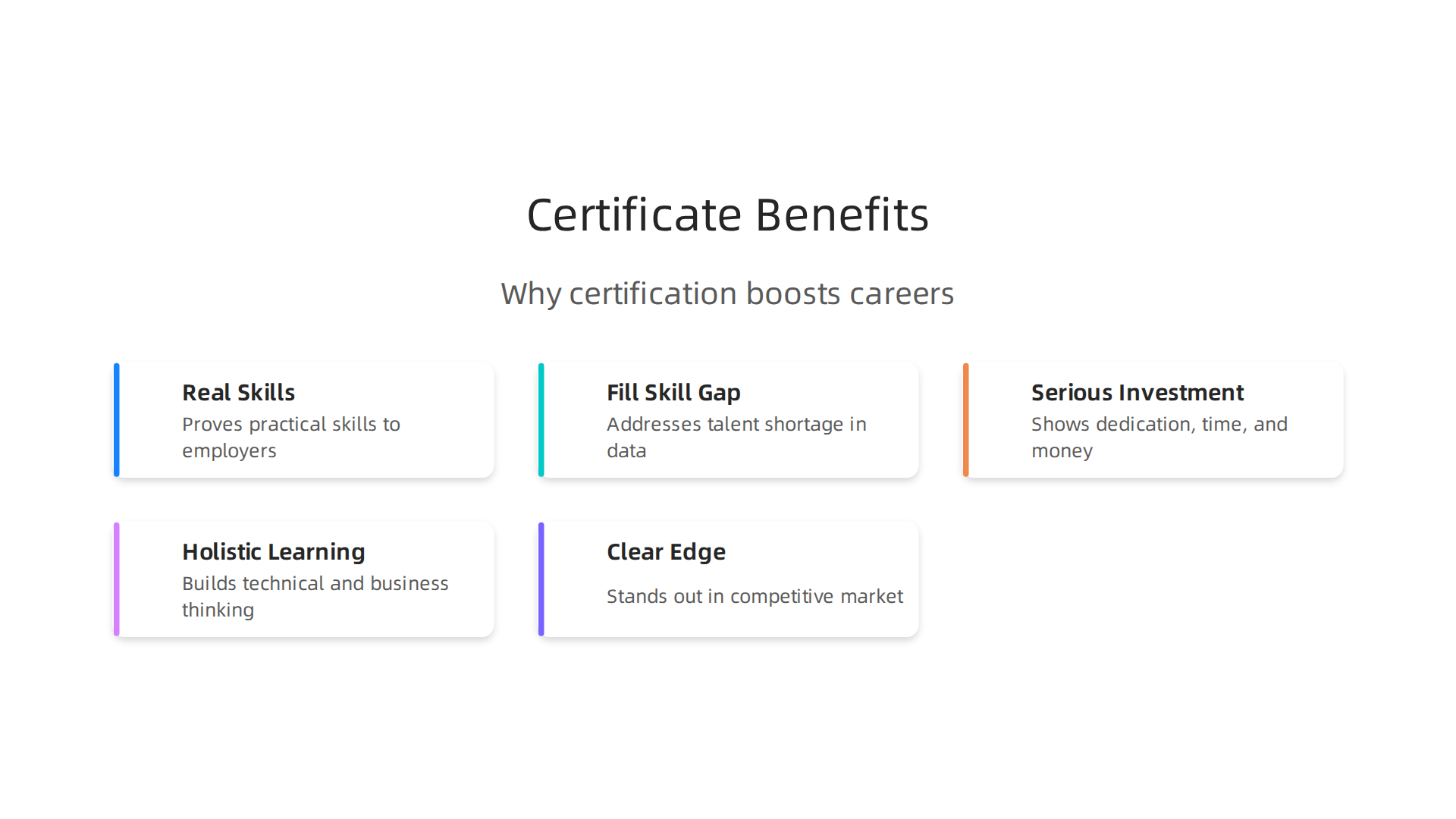
Let’s look at the numbers. The U.S. Bureau of Labor Statistics says data professional jobs will grow by 34% through 2034. That’s one of the fastest rates across all careers. But here’s the catch: many companies say they can’t find qualified candidates. There’s a big skill gap. According to Coursera’s 2026 skills analysis, data analytics is one of the top in-demand skill areas where talent falls short. When you earn certificates data analytics, you immediately fill that gap for employers. You become the person they’ve been searching for.
A certificate also sends a strong signal. It shows you are serious enough to invest time and money into learning. It tells hiring managers you understand SQL, Python, and how to turn messy data into clear answers. Structured programs build both technical know-how and business thinking. You learn not just to crunch numbers, but to ask the right questions and share insights that drive decisions. That combination is exactly what companies want.
For example, one popular path is the Google Data Analytics Certificate, which teaches tools like spreadsheets, SQL, and Tableau in a matter of months.
Thousands of people have used it to pivot into data roles, even from non-technical backgrounds. When you pair that with domain knowledge like real estate, you become even more valuable. If you’re curious about how these skills apply locally, check out this guide on entry-level data analytics jobs in Dubai real estate to see real examples.
The bottom line: in a competitive market, a certificate in data analytics gives you a clear edge. It proves you can deliver results from day one. That’s why more professionals are getting certified in data analytics each year. It’s not just a piece of paper. It’s a career accelerator.
Comparing Top Data Analytics Certificate Programs in 2026
Not all certificate in data analytics programs are created equal. Some focus on beginner skills, while others dive into advanced data and analytics certifications for experienced professionals. Choosing the right one depends on your background, budget, and career goals.
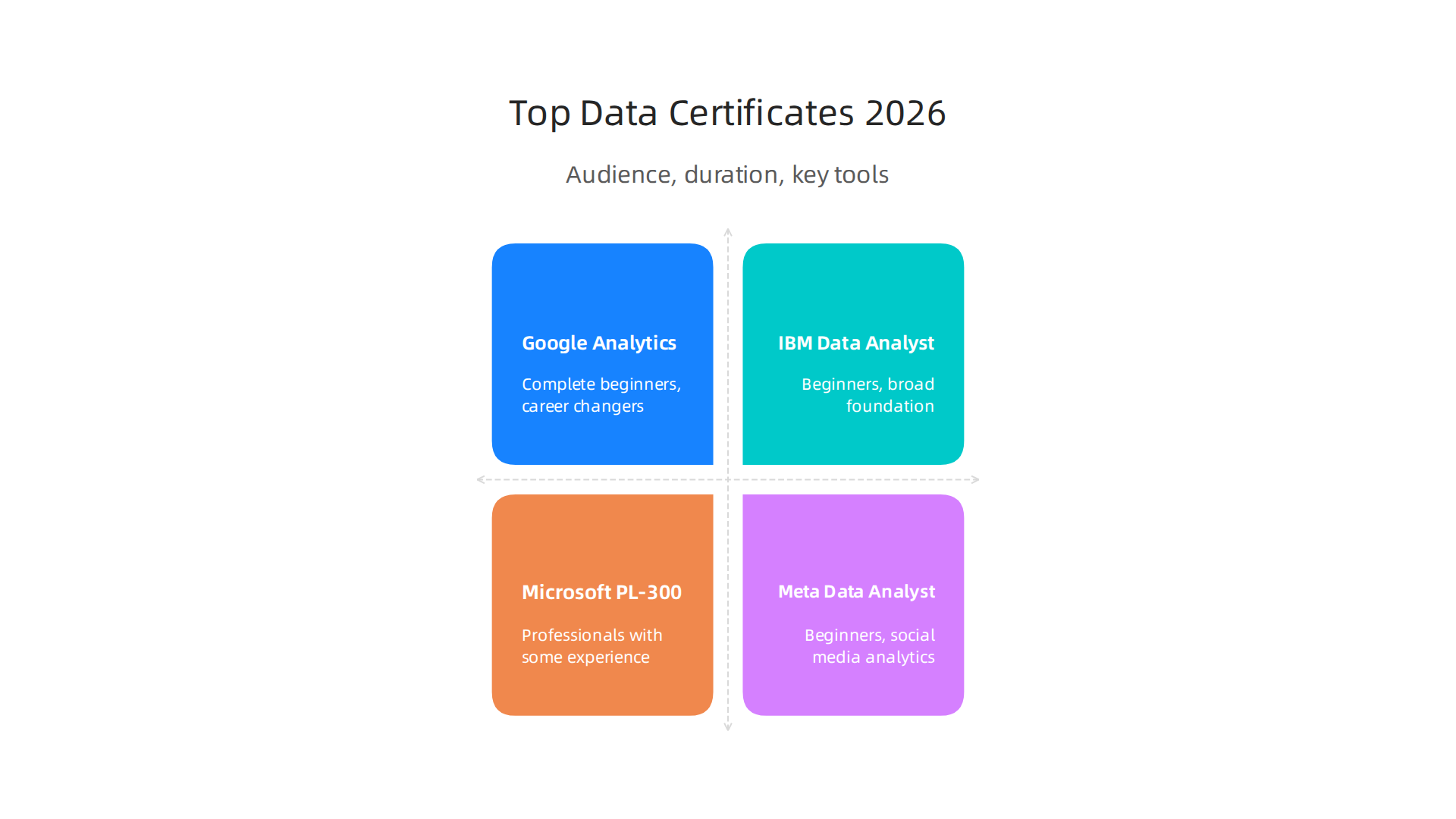
Let’s look at the most popular options side by side.
| Program | Best For | Duration | Cost | Key Tools Taught |
|---|---|---|---|---|
| Google Data Analytics Certificate | Complete beginners, career changers | About 6 months (10 hours/week) | $49/month via Coursera | Spreadsheets, SQL, Tableau, R |
| IBM Data Analyst Professional Certificate | Beginners who want a broad foundation | About 4-6 months | $39/month via Coursera | Python, SQL, Excel, Cognos |
| Microsoft Data Analyst Associate (PL-300) | Professionals with some experience | Self-paced (1-3 months prep) | $165 exam fee | Power BI, DAX, data modeling |
| Meta Data Analyst Professional Certificate | Beginners interested in social media analytics | About 5 months | $49/month via Coursera | SQL, Python, data visualization, statistics |
These programs are among the most recognized and reviewed in 2026. According to a detailed comparison by Dataquest, the Google and IBM certificates are the top choices for beginners,
while Microsoft’s certification is better for those who already know some data basics. The Coursera guide on popular data analytics certifications also highlights that IBM covers more machine learning models for complete beginners.
One major difference is the exam structure. Google and IBM offer continuous learning with projects. Microsoft uses a single proctored exam, which requires focused preparation. Think about your learning style. Do you prefer hands-on projects every week, or would you rather study intensely and take one test?
Also consider where you want to work. If you plan to use data in a specific field like real estate, you might benefit from pairing a general certificate with industry-specific knowledge. For example, our free data analytics course for Dubai real estate teaches how to apply these skills to property data.
The best choice is the one you actually finish. Pick a program that matches your current skill level and schedule. Once you get certified in data analytics, you can always add more specialized credentials later. The important thing is to start.
The ROI of a Data Analytics Certificate: Salary and Job Prospects
You’re thinking about getting a certificate in data analytics. That’s a smart move. But you probably want to know: is it worth the money and time? Let’s break down the return on investment (ROI) so you can see the real numbers behind this decision.

First, the good news. People who earn a certificate in data analytics often make more money than those without one. According to a salary guide from Coursera, data analyst salaries in 2026 can range from entry-level to senior roles, and having a recognized credential can push you toward the higher end. While exact premiums vary, employers see certified candidates as job-ready, which often leads to better offers.
Now look at the job market. The demand for data analysts is huge and still growing. The U.S. Bureau of Labor Statistics projects that data analyst jobs will grow 23% between 2023 and 2033, much faster than the average for all occupations.
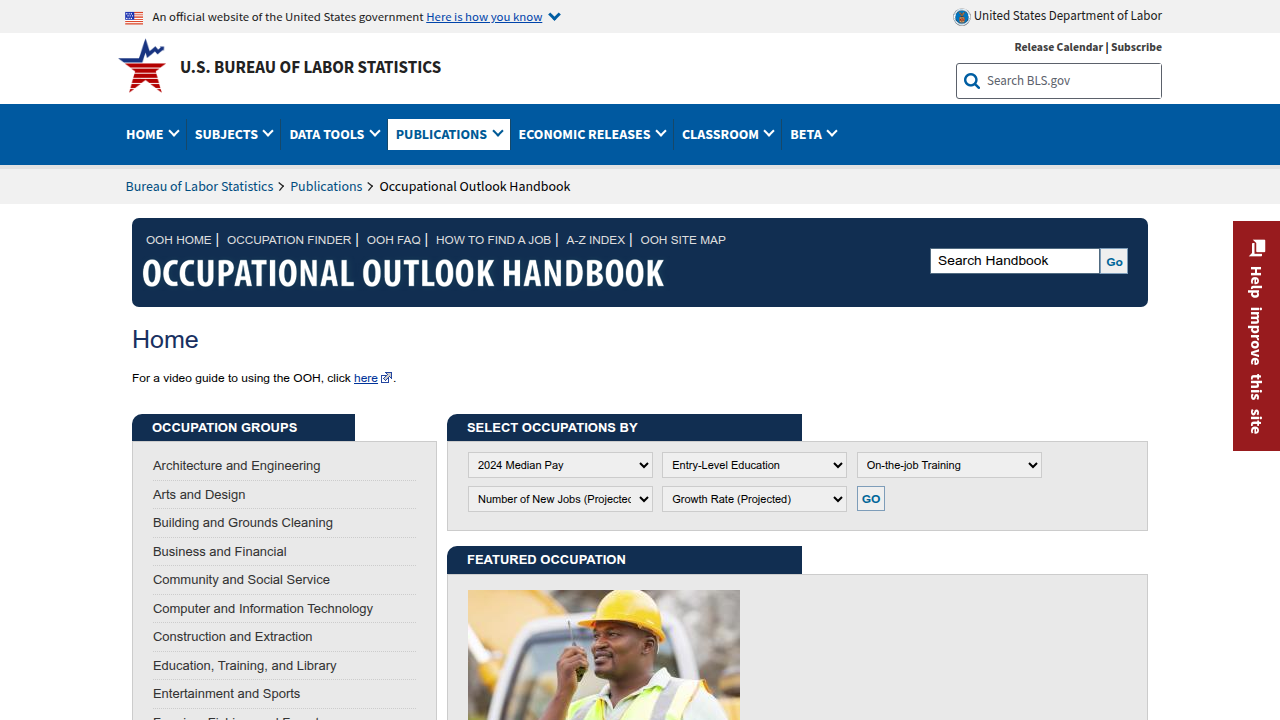
Another source, 365 Data Science, reports that demand for data roles could climb as high as 35% by 2032. That means companies everywhere need people who can turn raw numbers into smart decisions. And they need them right now.
So how do you calculate your own ROI? Here’s a simple way to think about it:
ROI = (expected salary increase over time) – (cost of certificate + time invested)
Most certificates cost anywhere from a few hundred to a few thousand dollars, and they take weeks or months to complete. Compare that to a potential salary jump of $10,000, $20,000, or more over your career. The math usually works in your favor, especially when you factor in faster promotions and more job security.
But here’s the thing. The ROI gets even better when you apply your skills to a high-demand field. For example, data analytics plays a huge role in real estate. Investors use data to find the best neighborhoods, predict price trends, and avoid risky deals. If you earn a certificate in data analytics and focus on the real estate sector, you can offer specialized value that employers love. To see how this works in a real market like Dubai, check out this guide on big data analytics in Dubai real estate for smarter investing. It shows exactly how analysts use data to make profitable moves.
Another way to boost your ROI is to target entry-level roles that let you build experience fast. A certificate data analytics can open doors to positions like junior analyst, business intelligence assistant, or even data specialist in real estate firms. Many companies in Dubai are actively hiring. If you want to know what those roles look like, read about entry-level data analytics jobs in Dubai real estate. It lists seven key positions and what you need to land them.
Finally, remember that being certified in data analytics isn’t just about a higher salary. It’s about consistency. Studies from the Bureau of Labor Statistics confirm that data science and analytics employment will keep growing steadily through 2034. That means your certificate won’t become outdated anytime soon. You’re investing in a skill that stays in demand.
So yes, the ROI of a data analytics certification is strong. The upfront cost is small compared to the long-term payoff. And when you pair it with real-world applications like real estate analytics, you set yourself up for even bigger opportunities.
How to Choose the Right Certificate Program for Your Career Goals
You now know the ROI can be solid. But with so many options out there, how do you pick the right certificate in data analytics for your specific situation? Not all programs are created equal. The one that works for a career changer in healthcare might not help someone already working in finance.
Here’s how to narrow it down.
Match the Program to Your Current Skill Level
First, be honest about where you stand. Some programs are built for people starting from zero. Others expect you to already know basic statistics or SQL.
For complete beginners, the IBM Data Analyst Professional Certificate is a popular choice. According to a guide from Coursera, it prepares those with no prior experience for entry-level roles. The Google Data Analytics Certificate is another great starting point. As one review from Dataquest explains, Google’s program costs less and can be finished in less than six months, making it ideal if you want a fast, affordable entry.
If you already have some skills, look for programs that go deeper. The Google Advanced Data Analytics Certificate covers Python, regression models, and machine learning. That’s better for someone who wants to move beyond spreadsheets.
Consider Accreditation, Instructors, and the Alumni Network
Not every certificate carries the same weight. Employers look for programs backed by respected companies or universities. A certification data analytics from Google, IBM, or top universities signals that you learned from solid sources.
Also check who teaches the course. Are they industry professionals with real experience? Do they have positive reviews? Look for instructors who have worked as data analysts themselves. They share practical tips you won’t find in textbooks.
The alumni network matters too. A larger, active alumni community means more people to connect with on LinkedIn. It can also mean more insider tips on landing a job. According to a comparison by Skyvia, programs with strong alumni networks often lead to better job outcomes.
Look for Career Services and Job Placement Support
The best certificates data analytics don’t just teach you skills. They help you get hired. Programs that include career coaching, resume reviews, mock interviews, and direct employer connections give you a major advantage.
For example, Merit America offers a data analytics course with Google’s certificate where you only pay after you land a job making $40,000 or more. That’s a powerful vote of confidence. Similarly, many programs now include a capstone project. Coursera’s Google Data Analytics Capstone lets you complete a case study that you can show employers. This hands-on project proves you can apply what you’ve learned.
If you want to target a specific industry like real estate, look for programs that let you customize your final project. Imagine analyzing Dubai property price trends as your capstone. That would make your resume stand out to real estate firms. You can explore resources on big data analytics in Dubai real estate for smarter investing to see the type of work involved.
Final Tip: Match the Program to the Industry You Want
Don’t just think about the certificate itself. Think about where you want to work. Healthcare companies want analysts who understand HIPAA and patient data. E-commerce companies look for specialists in customer behavior. Real estate firms need people who can interpret market cycles and rental trends.
The right certificate in data analytics gives you both general skills and industry-specific projects. As a guide from Skillify Solutions notes, the best programs for 2026 offer specializations that align with in-demand fields. Choose one that fits your dream job.
Even if you are not 100% sure yet, pick a program with strong fundamentals. Once you are certified in data analytics, you can always add industry knowledge later. The foundation is what matters most.
Steps to Successfully Earn Your Certificate and Land a Job
Alright, you have picked the right program and you are ready to dive in. Now comes the real work. But here is the good news: earning your certificate in data analytics and turning it into a job offer is totally doable if you follow a clear plan.

Many people start strong but fade out because they lack structure. Let’s fix that.
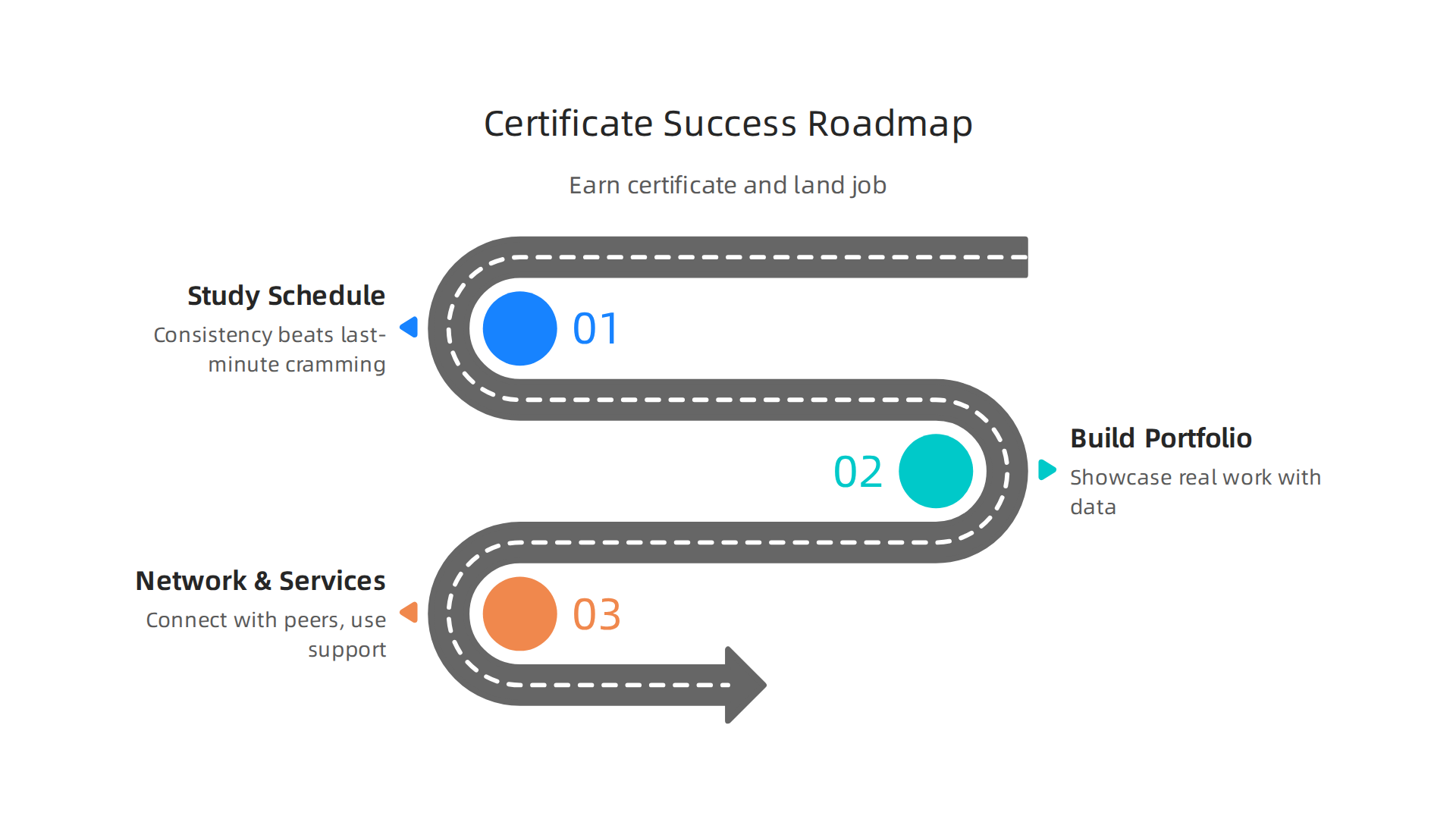
Create a Study Schedule and Stick to It
Treat your certificate like a part time job. Set aside specific hours each week and protect that time. Consistency beats cramming every time.
Most online programs are self-paced, which is great for flexibility but dangerous for procrastinators. According to a 2026 career guide from Learners Ink, successful students block out at least 10 to 15 hours per week for coursework. That might sound like a lot. But you can break it into small daily chunks.
Also, use the free resources that come with your program. Discussion forums, study groups, and office hours with instructors are there for a reason. Join them. Ask questions. Help others when you can. Teaching something is one of the best ways to learn it yourself.
If your program offers community features like Slack channels or Discord servers, get active there too. The people you meet now could become your professional network later.
Build a Portfolio of Projects During the Program
Your certificate alone won’t land you a job. Employers want proof that you can actually work with data. That is where your portfolio comes in.
Do not just complete the required assignments and stop. Go further. Take the datasets from your course and ask your own questions. What story do the numbers tell? Create an extra dashboard or a new analysis that shows your curiosity.
According to a review by Skillify Solutions, the best data analytics programs in 2026 emphasize real-world projects that prepare you for hiring. Pay close attention to capstone projects, they are your biggest portfolio asset.
If you are targeting a specific industry, customize your projects for it. For example, if you want to work in real estate, use public property data to analyze market trends. You can learn more about this approach through resources on big data analytics in Dubai real estate for smarter investing. That kind of targeted work grabs recruiters’ attention fast.
Host your projects on GitHub or build a simple portfolio website. Make sure each project has a clear writeup explaining the problem, your approach, and the results. That shows employers you can communicate, which is a huge skill for data analysts.
Network with Peers and Use Career Services
Here is a secret that many students miss. The career support included with your program is often worth more than the certificate itself.
Use every service offered. Get your resume reviewed. Do mock interviews. Attend career fairs if your program hosts them. A comparison by Skyvia notes that programs with strong career services and alumni networks lead to better job outcomes. Do not leave those benefits on the table.
Also, connect with your classmates. Form a study group. Share job leads. When someone from your cohort lands a role, they might refer you later. The data analytics community is surprisingly supportive, especially when you are just starting out.
One More Thing Before You Apply
The job market for data analysts is strong in 2026. The U.S. Bureau of Labor Statistics projects 23 percent growth for data analyst roles through 2033, much faster than most other fields. That means opportunities are out there. You just need to be ready when they come.
Follow these steps, and you will go from student to job candidate faster than you think. Stay consistent, build real work you can show, and lean on the people around you. That combination is what separates those who finish from those who succeed.
Summary
This guide explains why earning a data analytics certificate in 2026 can accelerate your career and how to choose the right program for your goals. It compares leading certifications (Google, IBM, Microsoft, Meta), outlines costs, durations, and the primary tools each teaches, and quantifies the return on investment using job-growth and salary context. The article shows how employers now prioritize practical skills over degrees, why hands-on projects and capstones matter, and how career services and alumni networks improve hiring outcomes. It walks through a step-by-step plan to complete a certificate—study schedules, portfolio-building, and networking—and explains how to tailor projects for industries like real estate to stand out. Readers learn how to match program level to experience, what to expect in exam structure, and practical ways to turn a certificate into interviews and job offers. The guide emphasizes measurable steps and local applications, including resources for applying analytics to Dubai real estate. By the end, you’ll know which programs fit your timeline and how to convert certification into real job opportunities.