

Secure High-Paying Data Analytics Jobs in Dubai Real Estate
Overview
Why data analytics is a must-have skill for Dubai real estate professionals
Dubai’s real estate market is always changing and growing fast. To succeed in 2026, you can’t just guess anymore. Making smart choices is key, and that’s where data analytics comes in. It’s becoming a skill everyone in Dubai real estate needs.
Think about it: how do you know the best price for a property? When is the perfect time to buy or sell? How risky is an investment really? Without clear facts, these decisions are hard. This is why more companies are looking for people who understand data. They want professionals who can use numbers to find the best deals and avoid problems. This need has led to many new data & analytics jobs and data analytics openings across Dubai. You can see many opportunities, with thousands of Data Analytics Jobs in Dubai 2026 available.
By learning how to use data, you can make smarter calls about property values, market trends, and how risky an investment might be.

This helps you guide clients better and makes your own work more successful. Developing these important analytics skills will greatly improve your chances of landing a top data analytics vacancy in Dubai’s busy real estate world. More than that, these skills help you make a real difference for businesses by showing them clear paths to profit and growth.
Understanding data is not just about getting a job. It’s about changing how you work and making better choices every day. To learn more about this, you can check out why data analytics online training is non-negotiable for Dubai real estate professionals in 2026.
Are you buying, selling, renting, or investing in Dubai? Connect with Ayaz Salman for Free Consultation.
Why analytics-focused hires outperform in Dubai property markets
When companies hire people who are good at data analytics, those teams often do much better in Dubai’s busy real estate market.
This is because smart use of data helps lower the guesswork and uncertainty that can make or break a deal. These special skills make a real difference, leading to faster decisions and better profits.
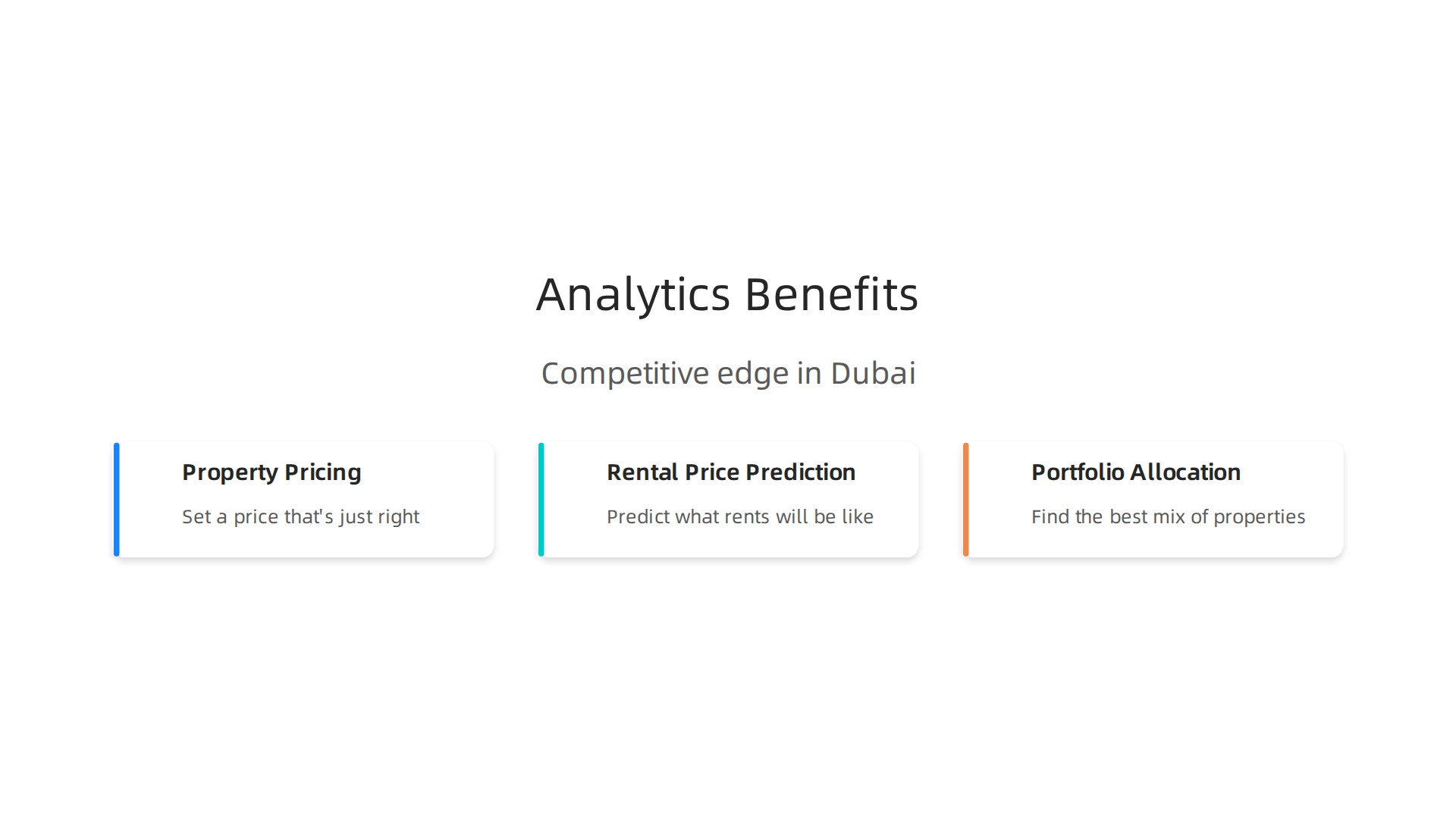
One big way data helps is with property pricing. It’s hard to know the exact right price for a property. Should you ask for more, or less? Data experts look at lots of information, like what similar homes sold for, how old the property is, where it’s located, and current market trends. This helps them set a price that’s just right, whether for buying or selling, so clients get the best value. Knowing the market deeply helps professionals avoid bad deals and grab good ones. This is especially true when you look at overall market trends and forecasts, which experts like those at PwC track in their annual reports on Emerging Trends in Real Estate® 2026.
Data analytics also makes it easier to guess future rental prices. By looking at historical rental data, how many people are moving to Dubai, and what kind of homes are in demand, teams can predict what rents will be like. This helps landlords set competitive prices and keeps their properties rented. It also helps investors know how much money they can expect to make from a rental property. Understanding these trends is key to smart investing. For example, staying on top of the Real Estate Rental Market Analysis 2026 can give you an edge.
For big investors, data helps with how they spread out their money, also called portfolio allocation. Instead of just picking properties they like, data analysts use numbers to find the best mix of properties. This means they can pick properties that are likely to grow in value and reduce risks. They look at different areas, property types, and market cycles to build a strong investment plan. This kind of careful planning helps ensure better returns and protects against market changes. Learning how a data analytics business analyst makes smarter Dubai real estate investments can show you more.
In short, analytics-focused hires bring clear facts to the table. They help real estate teams make choices based on numbers, not just feelings. This leads to much quicker and smarter decisions, which means more money made and less risk. That’s why a strong background in data analytics, and specifically a solid understanding of potential data analytics interview questions for a data analytics vacancy, can set you apart and make you a top performer in Dubai’s fast-moving property world.
Core technical skills employers list in data analytics vacancy postings
We just talked about how much better teams do when they use data analytics in Dubai’s busy real estate world. But what exactly do you need to know to get one of these important data & analytics jobs? When companies post a data analytics vacancy, they often look for specific technical skills. Here’s a look at the main ones and what different job levels expect.
Must-Have Technical Skills for Data Analysts
To start, you need to be good with numbers and how they tell a story. Here are the core skills that almost every data analytics opening will ask for:
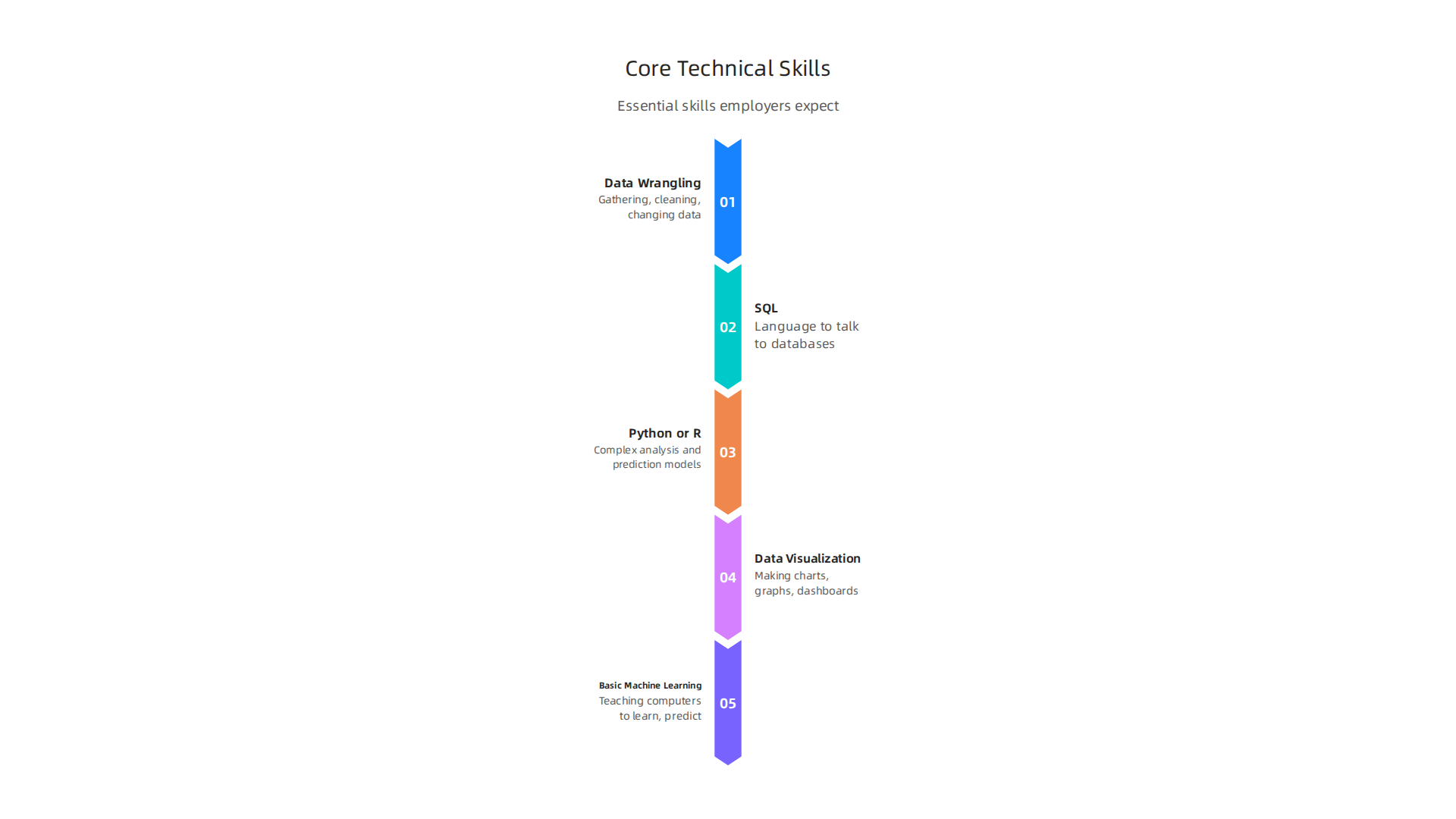
- Data Wrangling: This is like cleaning up a messy room before you can organize it. Data from different places can be dirty, incomplete, or in odd formats. Data wrangling means gathering, cleaning, and changing this data so it’s ready for analysis. It’s a key first step.
- SQL (Structured Query Language): Think of SQL as the special language you use to talk to databases. Most company data lives in big databases. You use SQL to ask questions and pull out the exact information you need. It’s super important for anyone in a data role.
- Python or R: These are programming languages that let you do much more complex analysis than simple tools.
- Python is very popular because it’s easy to learn and can do many things, from simple data tasks to building smart prediction models.
- R is another great choice, especially known for its powerful statistical tools and ways to show data. Many of the important tools for data analysis in 2026 include these languages, along with others like Tableau and Power BI, as highlighted in guides on 23 Must-Have Data Analytics Tools for Beginners – CompTIA.
- Data Visualization: Once you’ve analyzed the data, you need to show what you found in a clear, easy-to-understand way. This means making charts, graphs, and dashboards. Tools like Tableau, Power BI, and even advanced Excel skills help you turn numbers into pictures that everyone can understand, from team leaders to clients.
- Basic Machine Learning (ML): For some roles, knowing the basics of machine learning is very helpful. This is about teaching computers to learn from data and make predictions. For example, predicting property prices or market trends based on past information.
What Employers Expect at Different Levels
The skills mentioned above are key, but how well you need to know them depends on the job level. When you see a data analytics vacancy, think about where you fit in:
- Junior or Entry-Level Roles: If you’re looking for entry-level data analytics jobs, employers might focus more on your basic Excel skills, SQL, and a good understanding of data cleaning. They want to see that you can follow instructions, handle data, and learn new things quickly. You might not need to be an expert in Python or R yet, but showing you’ve started learning is a big plus. To learn more about getting started, check out how to Land A Data Analytics Job Entry Level In Dubai Real Estate.
- Mid-Level Roles: For a mid-level data analytics opening, you’ll need to be quite good at SQL, Python, or R. You should be able to do more complex analysis on your own and create detailed data visualizations. Employers expect you to solve problems independently and suggest ways to use data better.
- Senior Roles: At a senior level, you’re not just analyzing data; you’re leading. You’ll need deep knowledge of Python or R, advanced machine learning, and strong communication skills. You’ll be expected to design data projects, mentor junior staff, and help the business make big decisions based on your data insights. These roles often require a strategic mind that can connect data findings directly to business goals.
No matter the level, being able to clearly explain what the data means is crucial. You can have all the technical skills in the world, but if you can’t share your insights, they won’t help the business. Focusing on building these skills will make you a strong candidate for many Data Analytics Jobs in Dubai Real Estate 2026 Skills Salaries and Career Pathways and beyond.
Knowing what skills you need is only part of the story. You also need to know which tools and programs to use for data analytics. When a company posts a new data analytics vacancy, they expect you to be good with certain software. Here’s a simple list of the most important tools for anyone wanting data & analytics jobs in 2026.
Tools, software and platforms to know (practical checklist)
Think of these as your toolbox for working with data:
- SQL Engines: You learned that SQL is key for talking to databases. Tools like MySQL, PostgreSQL, or Microsoft SQL Server are where you’ll write your SQL code. These let you store, get, and change data from big company systems.
- Python Libraries: If you use Python, you’ll work with special add-ons called libraries.
- Pandas helps you clean and work with data tables.
- NumPy is for number tasks.
- Matplotlib and Seaborn are great for making charts and graphs to show data.
- Scikit-learn is for basic machine learning, helping you make predictions. Many experts agree that knowing these tools is essential for 2026, as discussed in "12 Must-Have Data Analysis Tools for 2026" and similar guides found in articles like 12 Must-Have Data Analysis Tools for 2026 | Python, SQL & AI.
- Business Intelligence (BI) Tools: These tools help you build easy-to-read dashboards and reports. Tableau and Power BI are very popular. They turn your numbers into clear pictures that help people make smart choices.
- GIS/Mapping Tools: For real estate, knowing about maps is super helpful. Tools like ArcGIS or QGIS let you see data on a map. This helps you understand things like where properties are, how close they are to schools, or which areas are popular. This is especially useful for predicting Dubai real estate trends. If you’re looking to develop skills in this area, consider an Online Data Analytics Course To Predict Dubai Real Estate Trends And Reduce Investment Risk.
- Cloud Platforms: Companies often store their data and run their tools in the "cloud." Knowing basics of platforms like Amazon Web Services (AWS), Google Cloud Platform (GCP), or Microsoft Azure can give you a big advantage.
When you apply for data analytics openings, employers will often ask about your hands-on experience with these tools. They might ask specific interview questions data analytics to see if you can really use the software, not just talk about it. Having a portfolio of projects where you used these tools is a great way to show what you can do.
Knowing the tools is a great start, but you also need to understand how to use them to find important patterns and make smart guesses about the future. This is where statistical methods and models come in. Companies looking to fill a data analytics vacancy expect you to know these advanced ways of looking at numbers.
Here are some key statistical methods that are very useful in real estate:
- Time-Series Forecasting: Imagine you want to guess future property prices or how many homes will sell next month. Time-series forecasting uses past data, like how prices changed over the last few years, to predict what might happen in the future. It’s like looking at a weather report to see if it will rain tomorrow. This helps with
data & analytics jobsby predicting market trends. - Hedonic Models: These models help figure out how much different features of a property add to its price. For example, how much more does a house with a swimming pool sell for than one without? Or how much does being close to a park affect the value? This model breaks down a property’s price into its parts.
- Causal Inference: Sometimes, you want to know if one thing causes another. For example, does building a new mall actually make property values go up in that area? Causal inference helps you find real cause-and-effect relationships, not just things that happen at the same time. This deep understanding is key for making smarter decisions in real estate. To truly turn data into insights, you need to master these ways of thinking about numbers, as explained in guides like Data Analysis: Turn Data into Insight with SQL and Python.
When you interview for data analytics openings, recruiters will want to see that you can not only run these models but also explain what they mean. Having projects in your portfolio that show how you used these methods to understand real estate data is very helpful. Prepare for data analytics interview questions by thinking about how you’d use these skills to solve real-world problems. Learning how a data analytics business analyst makes smarter Dubai real estate investments can give you a big edge.
Knowing how to work with numbers is important, but it’s only half the story for a data analytics vacancy. To truly shine, you also need to understand the world of real estate itself. This means knowing about how the property market works and having good people skills. These extra strengths can really make you stand out when looking for data & analytics jobs.
Here are some key areas of knowledge and skills that recruiters look for:
Key Domain Knowledge for Real Estate Data Analytics
Think of it this way: knowing the rules of the game helps you win. For real estate data, this means understanding:
- Property Cycle Dynamics: Real estate markets go up and down over time, much like waves in the ocean. These are called property cycles. Knowing about these cycles helps you understand why prices are changing and when might be a good time to buy or sell. Data analysts who understand these patterns can give much better advice. For more detailed information, you can explore a Dubai real estate investment 2026 data backed guide to market cycles and profits.
- Dubai-Specific Market Drivers: Every city has its own special rules and things that make its property market tick. In Dubai, things like new building projects, changes in expat visas, or big global events can hugely affect prices and demand. A good data analyst knows these local details. For example, research highlights how new technologies and policies specifically impact the UAE real estate industry, as shown in the
[PDF] Role of Artificial Intelligence in the Real Estate Industry of the UAE. - Tenancy Law Basics and Rental Indices: If you’re looking at rental properties, you need to know a bit about rental laws and how rental prices are tracked. Understanding things like eviction rules, rent caps, and common rental contracts helps you make sense of rental data. Keeping an eye on a Real Estate Rental Market Analysis 2026 can provide useful insights into these trends.
Essential Soft Skills
Besides knowing your numbers and the market, how you work with people and present your findings is just as important. These soft skills are crucial for any data analytics opening.
- Stakeholder Communication: This means being able to talk about your data insights in a clear, simple way to people who might not understand complex math.

You need to explain what the numbers mean for their business, not just show them graphs.
- Translating Analysis into Commercial Recommendations: It’s not enough to say, "Prices are going down." You need to say, "Because prices are going down, we should consider marketing smaller units more aggressively to first-time buyers." Turning data into smart business advice is a highly valued skill.
- Product Thinking: This skill is about understanding the bigger picture. What problem is the business trying to solve? How can your data analysis help create a better product or service for customers? Thinking this way makes your analysis much more impactful.
When you prepare for data analytics interview questions, remember to show examples of how you’ve used both your real estate knowledge and your soft skills. This blend of abilities truly sets top candidates apart.
After you have a good mix of math skills and real estate knowledge, you might wonder what jobs are out there. There are many exciting career paths in data analytics, especially in real estate. Let’s look at the different roles, what they do, and how you can grow in this field.
Common Roles in Real Estate Data Analytics
When you see a data analytics vacancy, it might be for a few different kinds of jobs. Each role has its own focus, but they all use data to help make better decisions.
- Data Analyst: This is often where many people start. A Data Analyst collects and cleans data, then creates reports and dashboards. They help show what happened in the market, like how many homes were sold last month or what the average rent is. Many companies in Dubai are looking for skilled data analysts, with thousands of
data analytics jobsavailable in 2026. For example, you can find many Data Analyst Jobs in Dubai through various job portals. - Business Intelligence (BI) Analyst: A BI Analyst also works with reports and dashboards, but they focus more on helping the business understand why things are happening and what it means for them. They turn data into clear stories for managers and help find ways to improve.
- Data Scientist: This role goes deeper. Data Scientists build special models that can predict what might happen in the future, like predicting property prices or which areas will grow fastest. They use more advanced math and computer skills.
- Analytics Manager: This person leads a team of analysts and scientists. They help plan projects, make sure the team is working on the most important problems, and talk with other business leaders about what the data means for the company’s big goals.
Moving Up the Career Ladder
Many people start in a more technical role, like a Data Analyst, where they focus on numbers and tools. Over time, you can grow into roles that are more about business and strategy. This means not just crunching numbers, but also understanding how those numbers help the business make money or solve problems.
For example, you might start by making reports on rental trends. Then, you could move to a role where you help decide if a new building project is a good idea based on your data findings. The key is to get good at telling stories with data and connecting your insights to real business outcomes.

This is what companies truly value when they look at data analytics openings.
When preparing for data analytics interview questions, especially in 2026, it’s wise to show how you can move from just reporting data to giving clear business advice. You might even find helpful guides like the Data Analyst Interview Questions & Prep Guide 2026 to practice. Showing that you can explain complex ideas simply and offer solutions will make you stand out.
If you’re thinking about buying, selling, renting, or investing in Dubai, having a clear understanding of the market is crucial. You might find it helpful to connect with an expert who can guide you with data-driven insights.
FREE Dubai Real Estate Consultation
To learn more about landing entry-level data & analytics jobs in this exciting market, read our guide on Entry Level Data Analytics Jobs in Dubai Real Estate. It breaks down some key roles that are perfect for those starting their career.
Now that you know what jobs are out there, the next important step is to get ready to apply. This means building a strong portfolio and knowing how to look for a data analytics vacancy. Getting ready for these data & analytics jobs can help you stand out.
Building Your Data Analytics Portfolio
A portfolio is like a show-and-tell of your best work. It lets companies see what you can actually do, not just what you say you can do. For data analytics openings, a good portfolio is super important. It shows you know how to use data to solve real problems.
Here’s what a good project in your portfolio should have:
- The Problem: Start by saying what question you wanted to answer. For example, "What kind of homes in Dubai give the best rent money in 2026?"
- The Data: Tell where you got your information from. This could be public records, real estate websites, or market reports.
- How You Did It: Explain the steps you took. Did you clean the data? Did you make charts? Keep it simple.
- What You Found: Share your discoveries. Maybe you learned that small apartments in certain areas of Dubai have higher rental returns.
- What It Means: This is key! Explain how your findings can help someone make a choice. For instance, "This project shows investors where to buy property to earn more rent."
Creating a strong portfolio helps show your skills clearly. To learn more about what kind of portfolio you need, check out this guide on What Kind of Portfolio Data Analyst Should Carry to Get a Job in 2026.
Applying for Data Analytics Jobs in Real Estate
Once your portfolio is ready, it’s time to apply for those data analytics openings. Here are some tips for finding and getting a data analytics vacancy:
- Tailor Your Resume and Cover Letter: Don’t send the same resume everywhere. Change it to fit each job. If a job mentions real estate, make sure your resume shows any real estate projects you’ve done. In your cover letter, explain why you want to work for that specific company and how your data skills will help them in the Dubai property market.
- Use Job Websites: Many websites list
data & analytics jobsin Dubai. Look at sites like SkillsetMaster, which shows many Data Analytics Jobs in Dubai 2026 — 2900+ Openings from different companies. - Network with People: Talk to people who already work in real estate data. Go to online groups or local events. Sometimes, knowing someone can help you find out about jobs before they are widely advertised.
- Practice for Interviews: You’ll likely face
data analytics interview questions. Practice explaining your projects and how you solve problems. Remember, they want to see that you can think clearly and speak simply about complex ideas. You can find more tips on getting hired by looking at job strategies like this Stop Rejection: The Data Analyst Job Strategy (2026).
Finding a good job takes effort, but by building a strong portfolio and smart job hunting, you can reach your goal in the exciting Dubai real estate market. For more details on landing a job, read our guide on how to land a data analytics job entry level in Dubai real estate.
Now that you’ve done all the hard work to find a data analytics vacancy, it’s natural to wonder about pay. Knowing what to expect for data & analytics jobs in Dubai, and how to talk about your salary, is super helpful. Let’s look at what you can earn and what benefits you might get.
Salary Ranges, Benefits, and Negotiation Tips for Analytics Roles in Dubai
Working in data analytics in Dubai can be very rewarding. Salaries can change a lot based on your experience and the kind of data analytics openings you apply for.
- Entry-Level Roles: If you are just starting, you might expect a lower salary. But even then, Dubai offers competitive pay compared to many other places.
- Experienced Roles: As you gain more experience, your salary can go up quite a bit. Someone with a few years of experience, or in a senior role, will earn much more. For example, many jobs in the UAE in 2026 offer a monthly wage between Dh10,000 and Dh40,000, which equals about $2,720 to $10,890 US dollars, as shown in the UAE Salary Guide 2026 – Dubai – Michael Page. This wide range shows how much experience matters.
What Other Benefits Can You Expect?
Besides your main salary, companies in Dubai often give other perks. These are common benefits for data & analytics jobs:
- Housing Allowance: Many companies help with rent money or provide housing.
- Transport Allowance: They might give you money for travel or even a company car.
- Health Insurance: Good medical care is usually part of the package.
- Visa Support: For people moving to Dubai, companies often help with getting a work visa. This is a big help!
- Education for Children: Some senior roles might even include help with school fees for your kids.
Tips for Talking About Your Salary (Negotiation)
When a company offers you a data analytics vacancy, don’t be afraid to talk about the pay. Here’s how to do it smartly:
- Do Your Homework: Before you go to an interview, find out what similar
data analytics openingspay. Websites like Naukrigulf list many Data Analyst Jobs in Dubai and sometimes show salary ranges. - Know Your Worth: Think about your skills and experience. What special things do you bring to the table?
- Be Clear and Kind: When you talk about money, be polite but firm. Explain why you think you deserve a certain salary, based on your skills and what the market offers.
- Think About the Whole Package: Remember, salary isn’t everything. Things like health insurance, housing help, and visa support can add a lot of value.
By understanding salary ranges and typical benefits, you can make sure you get a fair deal for your skills. To learn more about career paths and what you can earn, check out our guide on Data Analytics Jobs in Dubai Real Estate 2026 Skills Salaries and Career Pathways.
Now that you know what to expect for salaries and benefits, let’s talk about how to get there. Finding a great data analytics vacancy means you need the right skills. A clear plan for learning and getting the right papers (certifications) can really help you stand out to employers in Dubai.
A 6–12 month learning roadmap and certifications to prepare for vacancies
Getting ready for data & analytics jobs might seem like a lot, but if you break it down, it’s very doable. Here’s a simple plan to guide your learning over the next 6 to 12 months.
Your Learning Journey: Step by Step
Think of your learning journey in phases. Each phase builds on the last, helping you become skilled for data analytics openings.
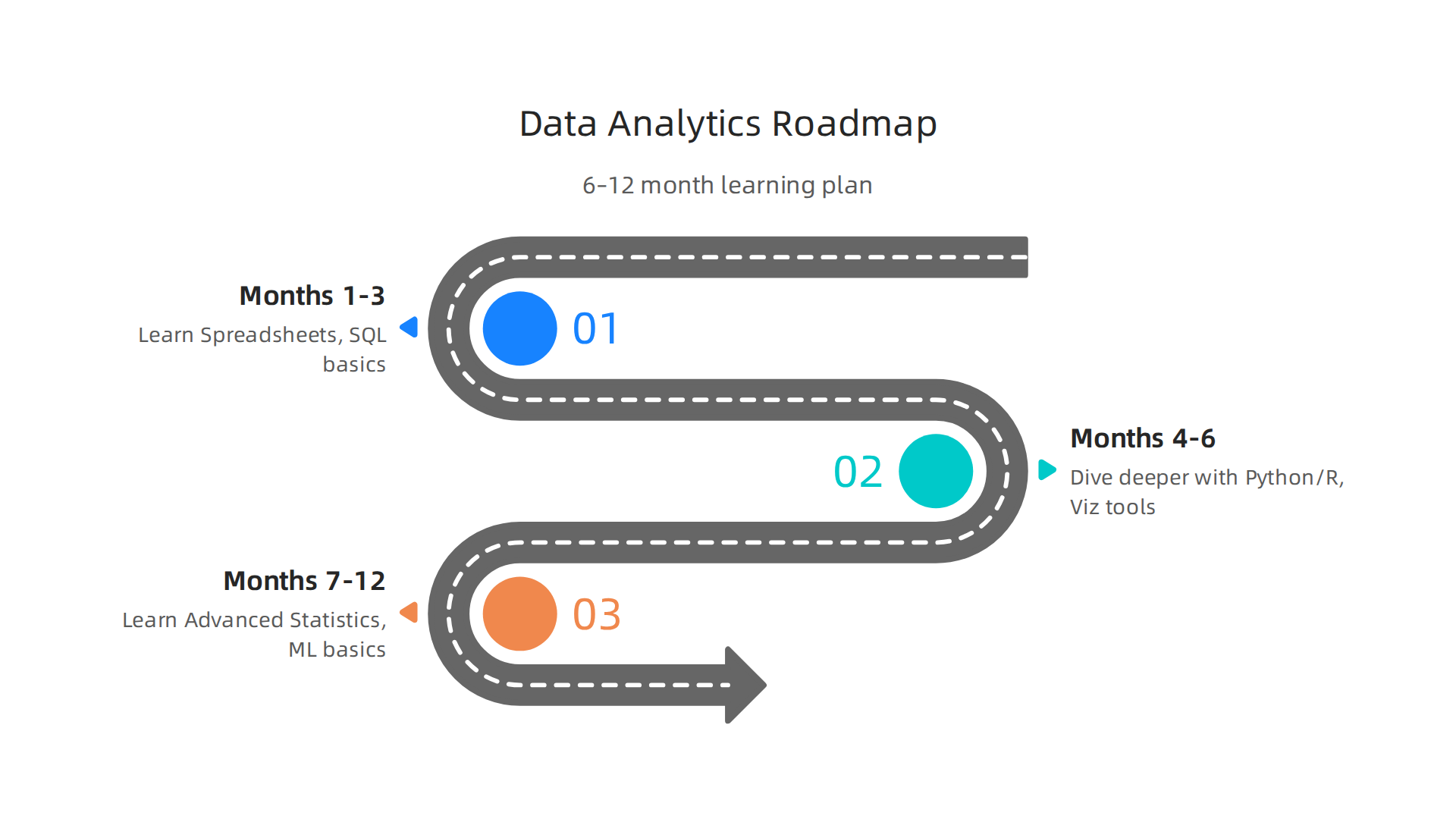
Months 1-3: Learn the Basics
Start with the building blocks of data analysis.
- What to learn:
- Spreadsheets: Get good at Microsoft Excel or Google Sheets. These tools are often the first step in working with data.
- SQL (Structured Query Language): This is super important for talking to databases and getting the data you need. Learning SQL helps you pull out specific information from big data sets. You can learn how to turn data into insights with SQL and Python from resources like Data Analysis: Turn Data into Insight with SQL and Python.
- Practice: Try to clean up small datasets, sort information, and make simple charts. Look for free online courses that offer practice problems.
Months 4-6: Dive Deeper with Tools
Once you know the basics, it’s time to learn more powerful tools.
- What to learn:
- Python or R: These are programming languages often used for more complex data analysis. Many beginners learn tools like Python and R. You can find many 23 Must-Have Data Analytics Tools for Beginners that include these.
- Data Visualization Tools: Learn how to make charts and dashboards that tell a story with data. Popular tools include Tableau or Power BI. Learning Data Analytics with Tableau, Python, R, and SQL Training Course can cover these areas.
- Practice: Work on projects that use real data. Try to predict trends or find interesting patterns. Make dashboards that are easy for others to understand.
Months 7-12: Advanced Skills and Real Projects
Now, you’re ready for more challenging tasks and to get ready for data analytics interview questions.
- What to learn:
- Statistics: A basic understanding of statistics will help you know if your data findings are real or just by chance.
- Machine Learning Basics: Learn a little about how computers can learn from data to make predictions.
- Storytelling with Data: This means presenting your findings clearly and persuasively.
- Practice: Do a bigger project, maybe using data about the Dubai real estate market. This shows future employers you can handle real-world challenges.
Getting Certifications to Boost Your Chances
Certifications are like official badges that show you have learned certain skills. They can be very helpful when you apply for a data analytics vacancy in Dubai.
- Why they matter: Employers in Dubai often look for people who have taken the extra step to get certified. It shows you are serious about your career and have a proven set of skills.
- Which ones to get:
- Google Data Analytics Certificate: This is a widely recognized beginner-friendly option. It covers many of the core skills needed. Learning with a Google Data Analytics Certificate helps you stop guessing on Dubai property can be a great step.
- Certifications from platforms like Coursera or edX: Many reputable universities and companies offer specialized certificates in SQL, Python, Tableau, or other specific tools.
- Vendor-specific certifications: If you know you want to work with a certain software, like Microsoft Power BI or Tableau, getting their official certification can be a big plus.
It’s a good idea to focus on getting a general data analytics certificate first, then add more specialized ones as you learn. Earning a data analytics certificate to boost your career and salary in 2026 can make a real difference in your job search.
By following a structured learning path and earning relevant certifications, you’ll be well-prepared for entry-level data & analytics jobs and ready to answer those important data analytics interview questions with confidence.
Summary
Data analytics is now a must-have skill for professionals working in Dubai’s fast-moving real estate market, and this article explains why. It shows how data reduces guesswork in pricing, rental forecasting, portfolio allocation and investment risk, and why firms prefer analytics-focused hires. The guide details the technical skills employers list in vacancy postings—SQL, Python/R, data wrangling, visualization and basic ML—along with the key tools (BI platforms, GIS, cloud services) and statistical methods (time-series, hedonic models, causal inference) you should know. It also covers real-estate domain knowledge, soft skills for communicating insights, common job roles, salary ranges and benefits, and how to build a hiring-ready portfolio. Finally, the piece gives a practical 6–12 month learning roadmap and recommends certifications that boost your chances of landing analytics vacancies in Dubai real estate.